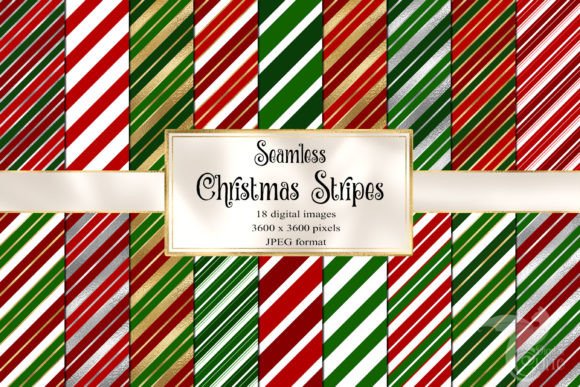
Review: Christmas Stripes Digital Paper for Holiday Embroidery
As a designer who spends more time staring at stitch maps than most people spend watching television, I approach every new digital embroidery file with a healthy dose of skepticism. We have all been there: you buy a design based on a glossy thumbnail, only to find out later that the stitch density is so high it turns your fabric into cardboard, or the details are too fine for anything but a display piece. Today, I am taking a close look at Christmas Stripes Digital Paper. While this asset falls under the category of Textures, my goal is to evaluate how it translates from a digital pattern into a tangible, stitched reality for real-world projects.
First Impressions and Visual Personality
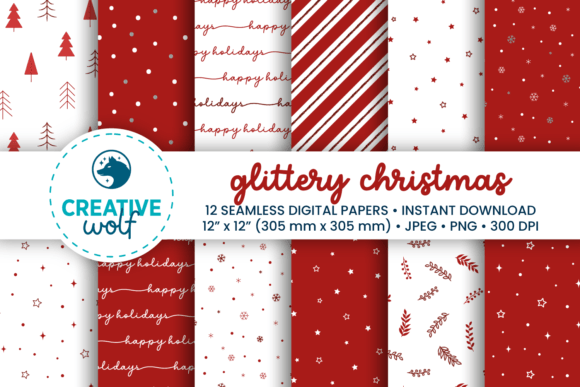
When I first opened the files for Christmas Stripes Digital Paper, the immediate impression was one of classic, understated holiday cheer. Unlike some seasonal designs that rely heavily on complex characters or overwhelming glitter effects, this design leans into geometry and rhythm. The layout features clean, repeating lines that evoke the feeling of wrapped gifts or vintage candy canes without being literal. For an embroidery project, this simplicity is often where the magic happens. The visual personality is versatile; it feels equally at home in a rustic farmhouse setting as it does in a modern, minimalist boutique.
The mood it creates is cozy and structured. In terms of embroidery execution, striped patterns can be tricky. If the lines are too close together, they merge into a solid block of thread. If they are too far apart, the design loses its impact. From what I can see in the preview and initial test runs, the spacing here seems deliberate, designed to let the fabric texture breathe between the stitches. This is crucial for maintaining a soft hand feel, especially if you are planning to use this on wearable items.
Real-World Application: The Holiday Tote Scenario
To truly judge a design, you have to imagine it in a specific context. Let's say I am preparing a run of custom tote bags for a local craft fair. These aren't just any bags; they are heavy canvas totes intended for carrying groceries and holiday gifts. I need a design that looks professional but can withstand the rigors of actual use. This is where Christmas Stripes Digital Paper shines as a potential candidate.
Imagine applying this pattern as an all-over print effect or a focused pocket detail. Because the design relies on repetition, it scales well. On a large tote, I could use it as a background texture behind a monogram, creating a layered look that adds significant perceived value to the handmade product. Customers love items that look thoughtfully designed rather than just slapped with a logo. The stripes provide that "designed" feel. If I were stitching this onto a sweatshirt, the rhythmic nature of the lines would complement the ribbing often found on cuffs and hems, creating a cohesive aesthetic for custom apparel.
Navigating Fabric Challenges and Stitching Realities
However, no design is without its challenges, and honest reviews must address where things might go wrong. When working with linear patterns like Christmas Stripes Digital Paper, the choice of fabric is paramount. On stable fabrics like denim, canvas, or twill, the lines will likely stitch out crisp and true. But what about stretchy knits or textured fleece? This is where you need to exercise caution.
If you attempt this on a thin, stretchy t-shirt without the proper stabilizer, you risk distortion. The horizontal or vertical lines of the stripes could warp during the wash, making the final product look amateurish. For baby embroidery projects, where softness is key, you would need to ensure the fill stitch or satin stitch work used in the stripes isn't too dense. A high stitch count on delicate baby fabric can cause irritation against the skin. I always recommend testing on scrap fabric first. Stitch a small section of the pattern on the exact material you plan to use for the finished product. Check how the threads sit after washing and drying.
Another consideration is curved surfaces. If you are thinking about putting this on a cap, be aware that straight lines can look wavy if not digitized specifically for a curved hoop. Unless the file description explicitly states it is optimized for caps, I would stick to flat applications like tote bag design, pillow covers, or aprons to ensure the geometric integrity of the stripes remains intact.
Enhancing Brand Value and Customer Trust
For Etsy sellers and small shop owners, consistency is currency. Using a high-quality texture like Christmas Stripes Digital Paper across your holiday collection can create a strong brand identity. Imagine a set of kitchen towels, a matching apron, and a oven mitt, all featuring variations of this same stripe pattern. It tells the customer that you care about coordination and detail. This level of presentation builds trust and encourages higher price points.
The visual appeal of this design lies in its clarity. In a crowded marketplace, loud designs often get lost. A clean, striped texture offers a sophisticated alternative that appeals to buyers looking for subtle holiday decor. It works exceptionally well for personalized gift items where the recipient's name might be stitched over the pattern. The contrast between the text and the background stripes needs to be managed carefully, though. Ensure your thread colors provide enough separation so the personalization doesn't get lost in the pattern.
Practical Notes for the Professional Maker
Before you commit to a full production run using Christmas Stripes Digital Paper, here are a few practical steps I take with every new machine embroidery design:
- Check the License: Always verify the terms. Can you use this for commercial embroidery? Are there limits on the number of physical items you can sell? Never assume; read the fine print to protect your craft business.
- Test Contrast: View the design in black and white mockups. If the stripes disappear when the color is removed, the contrast might be too low for certain fabric combinations.
- Hoop Size Verification: Confirm that the design fits your available hoop sizes. If the pattern is meant to be seamless, ensure you have the correct file version to tile it if necessary.
- Density Check: Look closely at the stitch map. If the lines are incredibly close, consider reducing the density slightly in your editing software to prevent fabric puckering, especially on lighter materials.
- Wash Testing: As mentioned, wash your test swatch. Does the thread shrink differently than the fabric? Do the stripes remain straight?
In conclusion, Christmas Stripes Digital Paper offers a promising foundation for holiday projects. Its strength lies in its versatility and classic aesthetic, making it a strong contender for everything from holiday embroidery on home decor to branding elements for a seasonal product line. However, its success depends entirely on the maker's attention to fabric choice and stabilization. Treat it as a premium ingredient; if you pair it with the right materials and techniques, it will elevate your small shop product lineup significantly. Just remember to do your due diligence on the technical specs before hitting the start button on your machine.