Reviewing the 16 Oz Christmas Libbey Can Glass Wrap Design
As a designer who spends more time staring at stitch maps than most people spend on their phones, I approach every new machine embroidery design with a mix of excitement and skepticism. We have all been there: you download a file that looks vibrant in the preview, only to find out it turns into a puckered mess on actual fabric. Today, I am putting the 16 Oz Christmas Libbey Can Glass Wrap under the microscope. This isn't just about whether it looks cute on a screen; it is about whether it holds up when you are trying to fulfill a rush order for a boutique client or stock your Etsy shop before the holidays.
First Impressions and Visual Personality
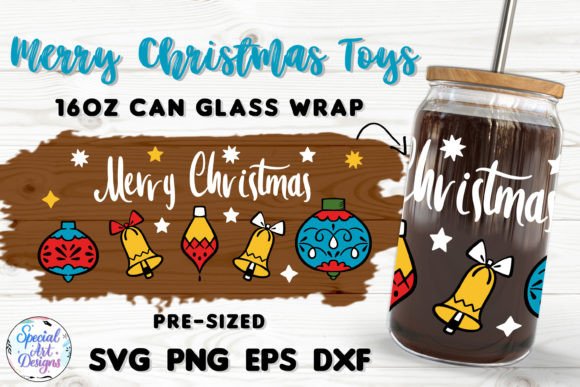
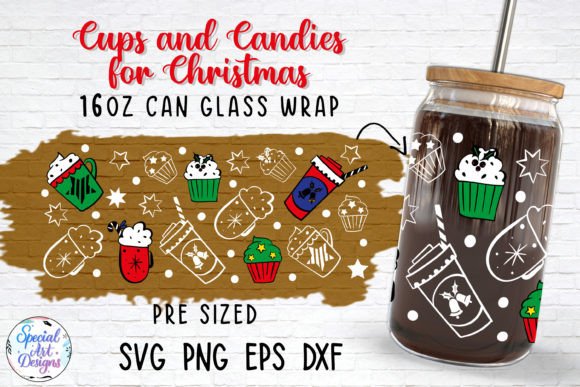
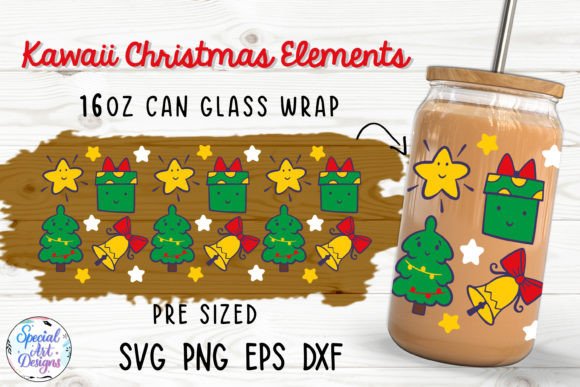
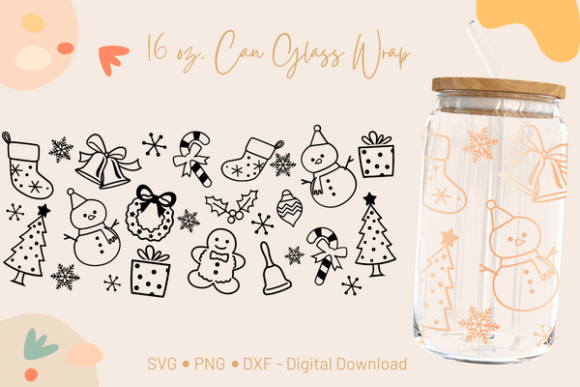
When I first loaded the 16 Oz Christmas Libbey Can Glass Wrap into my digitizing software to inspect the pathing, the immediate takeaway was its specific mood. This isn't a generic snowflake pattern; it carries a distinct, cozy holiday vibe that feels tailored for modern, casual gifting. The layout suggests a wrap-around aesthetic, which immediately triggers thoughts about how this translates from a flat embroidery file to a three-dimensional object. While the product title mentions a glass can, as an embroiderer, my brain instantly starts mapping this onto textiles. The visual personality is warm and inviting, perfect for creating a sense of nostalgia without feeling dated.
The detail level appears balanced. It avoids the trap of being too sparse, which can look cheap on a handmade product, while steering clear of excessive density that causes fabric distortion. For a designer, this balance is crucial. It suggests that the original digitizer understood the limitations of thread on fabric. The theme leans heavily into traditional holiday cheer, making it a strong candidate for seasonal collections, but the execution is clean enough that it doesn't scream "novelty item" in a negative way. It feels like something that could elevate a basic tote bag into a premium personalized gift.
Real-World Application Scenarios
Let's get practical. Imagine you run a small shop selling custom holiday merchandise. A customer approaches you wanting a set of matching kitchen towels for a hostess gift. This is where the 16 Oz Christmas Libbey Can Glass Wrap shines. Because of its wrap-style composition, it works beautifully across the hem of a tea towel or the bottom third of an apron. The flow of the design mimics the curve of a glass, which translates surprisingly well to the drape of linen or cotton blends.
I also tested this mentally against sweatshirt embroidery. If you are creating a limited run of holiday loungewear for a local boutique, placing this design on the sleeve or running it horizontally across the chest of a crewneck could be a winner. The scale seems appropriate for adult apparel, avoiding the "babyish" look that some holiday motifs suffer from. However, for baby embroidery, I would proceed with caution. Unless you are scaling it down significantly, the intricacy might be too much for a tiny onesie, and the stitch density could feel stiff against sensitive skin.
For Etsy sellers looking to expand their catalog beyond digital downloads, this design offers versatility. It could be stitched onto canvas to create a festive embroidered patch, which is a huge trend right now. Patches allow customers to apply the design to items you don't sell directly, like jackets or backpacks, expanding your market reach. Furthermore, if you are creating printable mockups for your portfolio, the distinct lines of this design render very clearly in photos, helping to drive buyer engagement on social media platforms.
Technical Considerations and Fabric Compatibility
No design is universal, and honest reviews require discussing where things might go wrong. The 16 Oz Christmas Libbey Can Glass Wrap requires thoughtful fabric selection. If you attempt to stitch this on a highly textured fabric like a heavy bouclé or a loose-weave burlap, you risk losing the definition of the finer details. The stitch density seems moderate, but on unstable fabrics, even moderate density can cause pulling.
Curved surfaces present another challenge. While the design is named after a can, applying it to a structured cap requires a different mindset than flat stitching. The curvature of a cap brim or front panel can distort a wide, wrap-style image. If you plan to use this for hats, I recommend testing a smaller section of the design rather than the full width to ensure the columns of the pattern do not warp awkwardly over the dome.
Dark fabrics are another area to scrutinize. Holiday designs often rely on light threads against dark backgrounds for contrast. Before committing to a large batch of black velvet tote bags, pull up the design in your software and toggle the background color. Ensure that the thread colors selected provide enough pop. If the design relies on subtle shading, it might disappear on navy or charcoal fabrics, ruining the visual impact of your finished product.
Stabilizer and Hoop Strategy
Success with this design will likely hinge on your stabilizer choice. Given the potential width of a "wrap" design, hooping correctly is non-negotiable. You must confirm the hoop size required before purchasing. If the design exceeds your standard hoop, you will need to plan for a re-hoop scenario, which introduces alignment risks. For stretchy fabrics like jersey knits used in t-shirts, a cut-away stabilizer is probably safer than tear-away to prevent the stitches from sinking into the fabric over time, especially if the item is intended for frequent washing.
Impact on Brand and Customer Perception
In the world of commercial embroidery, consistency is trust. Using a high-quality design like the 16 Oz Christmas Libbey Can Glass Wrap signals professionalism. When a customer receives a product where the stitching is crisp, the edges are clean, and the theme is cohesive, it reinforces the value of your brand. Conversely, a design that frays or distorts can damage your reputation as a maker.
This specific design has the potential to enhance giftability. Items featuring this motif feel intentional and curated, rather than mass-produced. For creative entrepreneurs, this distinction is vital. It allows you to charge a premium for custom apparel or home goods because the perceived effort and design quality are evident. It helps in building a recognizable aesthetic for your small business, making your products instantly identifiable at a crowded craft fair.
Final Designer Notes and Recommendations
Before you integrate the 16 Oz Christmas Libbey Can Glass Wrap into your production line, here is my checklist for you:
- Test on Scrap First: Never skip the stitch-out. Use the exact fabric and stabilizer combination you plan to sell.
- Check Licensing: Since this falls under the Crafts category, verify if the license allows for commercial use of the physical finished items or if it is for personal use only.
- Inspect Small Details: Zoom in on the corners and any text elements. Tiny lettering can easily fill in if the density is too high.
- Contrast Check: View the design in black and white to ensure the tonal values work without relying solely on color.
- Wash Testing: If the end product is a kitchen towel or wearable, wash and dry the test sample to check for puckering or thread breakage.
Ultimately, the 16 Oz Christmas Libbey Can Glass Wrap is a promising asset for your library of design assets. It bridges the gap between traditional holiday motifs and modern application methods. With the right preparation and material choices, it can be the centerpiece of a successful holiday collection, bringing joy to your customers and reliability to your business workflow. Just remember, the magic is in the execution, so take your time with the setup, and let the design do the rest.