Red Christmas Stars Pattern: A Designer’s Practical Review
As a designer who has spent countless hours hooped up at the machine, watching needles fly and threads tension, I have learned to look past the glossy preview images. We all know that what looks perfect on a screen does not always translate seamlessly to fabric. When I first loaded the Red Christmas Stars Pattern into my digitizing software to inspect the stitch path, I was looking for clarity, efficiency, and that elusive quality that makes a finished product feel premium rather than mass-produced. This review is not just about aesthetics; it is about how this design performs in the real world of craft business, client deadlines, and handmade integrity.
First Impressions and Visual Personality
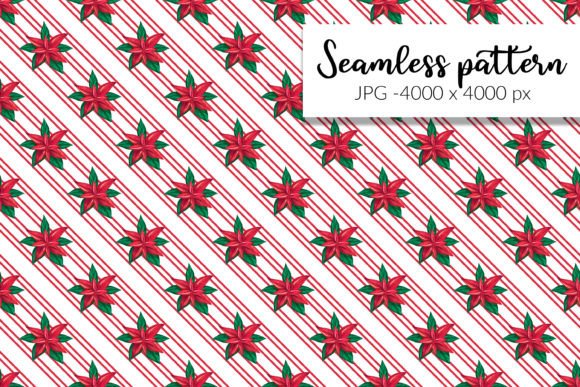
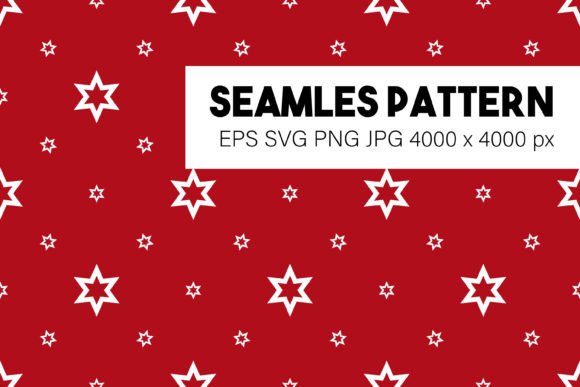
The immediate mood created by the Red Christmas Stars Pattern is one of classic holiday warmth without tipping into kitsch. The shape is distinct, relying on strong geometric lines that suggest tradition but maintain a modern cleanliness. For embroidery designers, the layout is crucial. This design avoids the clutter that often plagues seasonal motifs. Instead, it offers a bold visual personality that stands out even from a distance. The detail level is balanced; it is intricate enough to show off the capability of your machine but open enough to prevent excessive puckering on standard fabrics.
I appreciate designs that do not fight the fabric. The visual weight of these stars feels substantial. When I imagine this stitched out, I see a design that commands attention without screaming. It fits naturally into projects where the embroidery is the hero, such as a centered chest piece on a sweatshirt or a focal point on a tote bag. It does not rely on excessive shading or complex gradients, which means it translates well across different thread brands and material types.
Real-World Application: The Holiday Tote Scenario
To truly evaluate a machine embroidery design, you must visualize it in a specific product context. Let us consider a common scenario for an Etsy seller or small shop owner: preparing a batch of custom embroidered tote bags for the holiday market. I chose a heavy canvas tote in a natural oatmeal color to test the visual impact of the red stars.
In this application, the Red Christmas Stars Pattern shines. The contrast between the vibrant red thread and the neutral canvas creates a striking, high-end look. Because the design relies on solid shapes, likely utilizing a combination of satin stitch borders and fill stitch interiors, it covers the textured weave of the canvas effectively. There is no risk of the fabric showing through awkwardly, which can happen with sparse running stitch designs on coarse materials. The result is a handmade product that looks professional and durable. Customers are drawn to items that feel sturdy and well-made, and this design delivers that perception of quality.
Beyond totes, this pattern is versatile. Imagine it as sweatshirt embroidery on a deep forest green or navy crewneck. The red pops beautifully against dark winter tones, making it an ideal choice for holiday embroidery gifts. It also works surprisingly well for baby embroidery projects, such as a bib or a onesie, provided you scale it down appropriately and use soft, high-quality threads. The simplicity of the star shape ensures it remains recognizable even at smaller sizes, avoiding the muddy look that overly complex designs suffer from when shrunk.
Technical Performance and Stitching Clarity
From a technical standpoint, the success of any embroidery file depends on its stitch density and pathing. While I cannot specify the exact stitch count without seeing the specific file version, the visual structure suggests a moderate density. This is a positive trait. High-density designs can turn stiff and board-like, especially on garments that need to drape softly. A moderate density allows the fabric to retain its natural hand feel, which is critical for custom apparel and wearables.
The stitching clarity appears robust. The points of the stars are sharp, indicating good digitizing practices at the corners. Poorly digitized points often bunch up or pull away, ruining the crispness of the shape. In this embroidery project, the angles seem well-supported, likely with underlay stitches that anchor the design before the top stitching begins. This attention to detail reduces the likelihood of registration errors, where layers of thread shift out of alignment.
However, practical judgment requires caution. If you are using this on stretchy fabric, such as a jersey knit t-shirt, proper stabilization is non-negotiable. The weight of the fill stitches can cause distortion if the fabric is not supported correctly. I always recommend using a cut-away stabilizer for garments that will be washed frequently, ensuring the finished product maintains its shape over time. For woven fabrics like cotton or linen, a tear-away stabilizer may suffice, but always test on scrap fabric first.
Where to Use Caution
No design is universal, and the Red Christmas Stars Pattern has its limitations. You should exercise care when applying it to very small hoop sizes. If you shrink the design too much, the internal details may merge, and the satin stitches could become too narrow to cover the fabric properly, leading to gaps. Always check the minimum recommended size provided with your digital embroidery file.
Additionally, be mindful of curved surfaces. Embroidering on a cap or a rounded pillow cover requires careful hooping and possibly a different approach to placement. The rigid geometry of the stars might distort if the fabric shifts during stitching on a highly curved area. For embroidered patch creation, this design is excellent because the stable backing of the patch material supports the stitches well, but for direct-to-garment on tricky textures like corduroy or thick towels, you may need to adjust your tension and speed.
Avoid using this design on fabrics that are extremely thin or slippery unless you have advanced stabilizing techniques. The pull of the stitches can pucker delicate materials, detracting from the professional look you aim to achieve. Also, consider the thread colors carefully. While red is festive, ensure it contrasts sufficiently with your background fabric. A dark red on black fabric will disappear, rendering the design ineffective.
Enhancing Brand Value and Customer Trust
For creative entrepreneurs and craft business owners, the choice of design assets directly impacts brand consistency. The Red Christmas Stars Pattern offers a timeless appeal that does not feel trendy or dated. This longevity is valuable for building a catalog of products that can be sold year after year. When customers see clean, well-executed embroidery, their trust in your brand increases. They perceive the item as a thoughtful personalized gift rather than a generic commodity.
Using this pattern in your printable mockup previews can significantly boost buyer engagement. The bold shape photographs well, allowing potential customers to clearly see the quality of the work. Whether you are selling design assets to other makers or finished goods to end consumers, the professionalism of the stitchout reflects on your reputation. It signals that you care about the details, from the choice of thread to the final press.
Practical Notes for the Designer
Before committing to a large production run or a high-stakes client project, take these practical steps. First, always stitch out a test sample on the actual fabric you intend to use. Check the thread color contrast in natural light, as indoor lighting can deceive. Review the stitch density by feeling the back of the sample; it should not be excessively bulky.
Confirm the hoop size required and ensure your machine can accommodate it comfortably. Inspect the small details closely; are the points sharp? Is there any bird nesting or loose threads? Test the design in a black and white mockup to evaluate its structural integrity without the distraction of color. Compare how it looks on both light and dark fabric backgrounds to determine your best-selling combinations.
Finally, always verify the licensing terms of your digital embroidery file. Ensure you have the right to use the Red Christmas Stars Pattern for commercial purposes if you plan to sell the finished items. Understanding these legal boundaries protects your small shop product line and ensures you can operate with confidence. By combining artistic eye with technical diligence, you can transform this pattern into a standout element of your holiday collection.