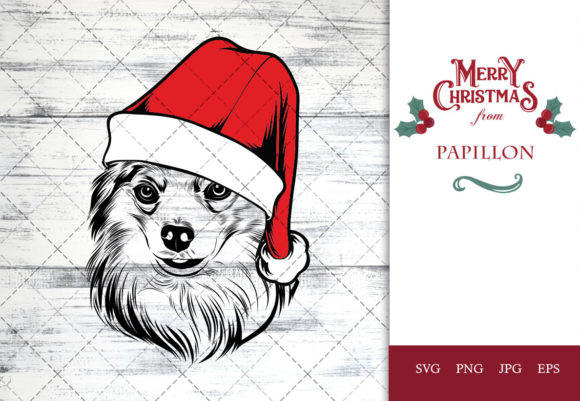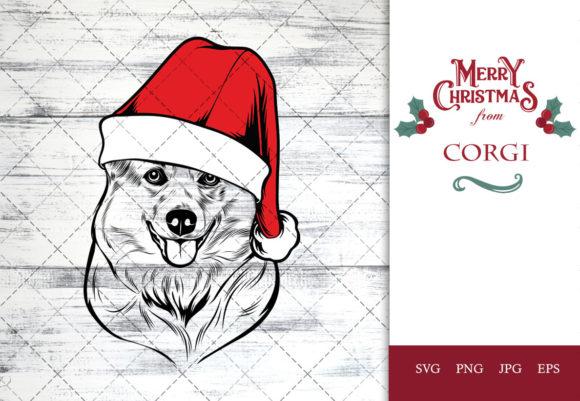
Corgi Dog in Santa Hat for Christmas Crafts
As a digital publisher who has spent over a decade refining the visual identity of high-traffic lifestyle blogs, I have learned that the difference between a scroll-past and a click-through often comes down to a single graphic element. When I first opened the file for Corgi Dog in Santa Hat for Christmas, my immediate reaction was not just about cuteness, but about utility. In the crowded landscape of holiday content, finding a graphic design asset that balances whimsy with professional polish is rare. This piece does not just scream "holiday"; it whispers "curated lifestyle," which is exactly the tone modern readers are seeking.
The visual mood here is distinctly playful yet refined. It avoids the chaotic clutter often found in seasonal clip art, opting instead for a clean, focused composition. For bloggers and content creators, this means the asset supports a narrative of warmth and approachability without sacrificing editorial quality. It feels inherently lifestyle-focused, making it an ideal fit for niches ranging from pet care and family traditions to DIY home decor and seasonal recipe roundups. The aesthetic is modern enough to sit comfortably alongside minimalist web design trends, yet decorative enough to stand out in a busy social media feed.
Integrating the Asset into Your Publishing Workflow
The true test of any design asset is its versatility across different platforms. I immediately began testing Corgi Dog in Santa Hat for Christmas within a real-world publishing workflow. My first application was as a featured image for a blog post titled "10 Easy Holiday Crafts for Pet Owners." Because the subject matter aligns perfectly with Crafts, the image served as an instant visual cue for the reader. However, its utility extends far beyond a simple blog header.
For Pinterest marketers, this asset is a goldmine. Pinterest is a visual search engine where vertical graphics dominate. By placing the corgi illustration against a solid, high-contrast background and overlaying bold, sans-serif text, I created a Pinterest pin that stopped the scroll. The clear visual hierarchy allowed the headline to breathe while the illustration provided the emotional hook. Similarly, when designing a newsletter banner for a December edition, the asset added a festive touch that felt personal rather than corporate. It transformed a standard email update into a warm invitation, likely improving open rates and click-through potential.
I also experimented with using the image in a digital guide intended as a lead magnet. Placing the corgi on the cover of a PDF checklist for "Holiday Gift Planning" softened the utilitarian nature of the document. It made the digital download feel like a gift in itself, enhancing the perceived value of the free resource. This is crucial for affiliate marketing strategies, where building trust and likability is paramount to converting readers into buyers.
Enhancing Brand Identity and Reader Trust
Consistency is the backbone of strong brand identity. Using a cohesive set of illustrations helps readers recognize your content instantly. Corgi Dog in Santa Hat for Christmas contributes to a stronger visual identity by offering a recognizable character that can become synonymous with your brand’s holiday voice. When readers see this specific style of illustration repeatedly across your blog graphics, social media graphics, and website banners, it creates a sense of familiarity and professionalism.
This familiarity breeds trust. In an era where users are skeptical of low-quality content, a polished, well-integrated illustration signals that effort has been put into the user experience. It suggests that the content behind the image is equally well-researched and curated. Whether you are running a small business selling handmade goods or managing a large content hub, this level of editorial design elevates the perceived authority of your platform. It moves your site from looking like a generic template to feeling like a bespoke publication.
Strategic Placement and Visual Hierarchy
Knowing where to place this asset is just as important as having it. It works exceptionally well as a hero image on category pages dedicated to seasonal activities. Its friendly demeanor invites exploration. It also serves as an excellent editorial accent within long-form articles, breaking up walls of text and providing visual relief. However, publishers must be strategic. This asset shines when it has space to breathe. It is less effective in small mobile thumbnails where intricate details might get lost, or in text-heavy layouts where it competes for attention.
I advise using it carefully in serious professional niches. While the corgi is charming, it may not align with the tone of a financial advisory blog or a corporate legal update. Context is key. For content marketing aimed at families, creatives, or lifestyle enthusiasts, it is perfect. For more sterile or formal industries, it might detract from the message. Always consider the emotional resonance of your audience before deployment.
Practical Publisher Notes for Implementation
Before launching any campaign with Corgi Dog in Santa Hat for Christmas, I recommend a rigorous testing phase. First, check how it looks on both desktop and mobile screens. Does the illustration remain clear when scaled down? Next, preview it inside your actual blog layout. Sometimes, an image that looks great in isolation clashes with your site’s existing color palette or typography.
Typography pairing is critical. I tested the asset beside various font styles. It paired beautifully with a handwritten font for a personal, diary-like feel, and surprisingly well with a bold display font for a modern, magazine-style look. However, avoid pairing it with overly ornate script fonts that might compete with the details of the illustration. Ensure there is sufficient contrast between the image and any overlay text to maintain readability.
From a technical standpoint, review the file size. Large images slow down page load times, which negatively impacts SEO and user experience. Compress the images properly using tools like TinyPNG or Squoosh before uploading. If you are using this in a Canva template for clients or team members, ensure the resolution is high enough for print if you are creating printable design products like greeting cards or planners.
Finally, and most importantly, confirm the licensing. If you are using this on monetized websites, affiliate pages, or in paid content products, you must ensure you have the appropriate commercial license. Many assets found in a creative marketplace have specific restrictions. Protect your business by verifying that your usage rights cover commercial design applications. This due diligence ensures that your small business branding remains legally sound while you leverage the power of high-quality creative design to drive engagement.
In conclusion, Corgi Dog in Santa Hat for Christmas is more than just a cute picture; it is a strategic tool for web design and content marketing. When used thoughtfully, it enhances visual communication, strengthens brand loyalty, and ultimately drives better performance for your digital publications. Whether you are crafting a website header or designing a holiday eBook cover, this asset offers the perfect blend of charm and professionalism needed to succeed in today’s digital landscape.